Dentistry involves various specialized terms that can seem daunting at first glance. Understanding these terms can make your visits to the dentist more informative and less intimidating. By familiarizing yourself with the basic terminology, you can better understand the treatments and procedures they recommend.
One of the common terms you might encounter at a dentist’s office is “plaque,” which refers to the sticky, colorless film of bacteria that forms on your teeth. Understanding terms like these is essential, as they are often used in explaining diagnoses and recommended oral care practices. Dentists aim to communicate effectively with their patients, and knowing basic terminology helps in this process.
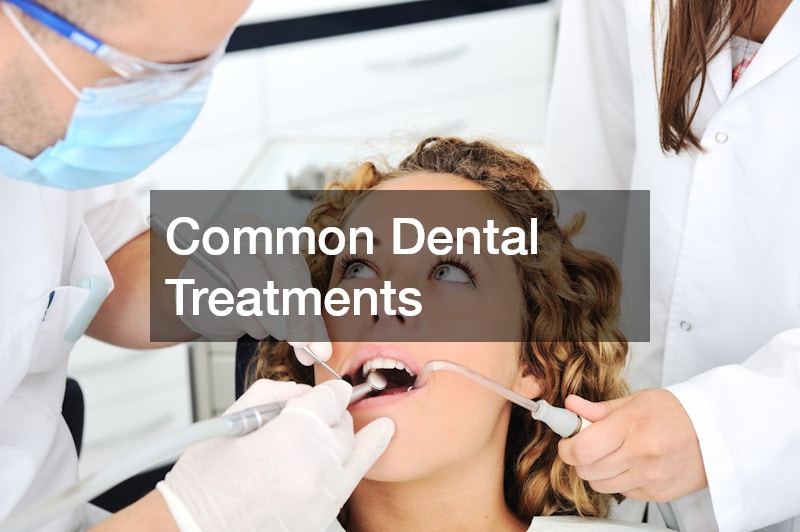
Some common dental treatments you might hear about include fillings, crowns, and root canals. A “filling” is used to restore a tooth damaged by decay back to its normal function and shape. Crowns are caps placed over damaged teeth to restore their shape, size, strength, and appearance.
Root canal therapy is another frequently discussed procedure where the dental pulp is removed due to infection or damage. This treatment is vital in saving a severely decayed or infected tooth. Dentists emphasize the importance of such procedures in preserving dental health.
Specialized Dental Areas
There are also several specialized areas within dentistry, each with its own terminology. Orthodontics focuses on diagnosing and treating dental and facial irregularities, often involving terms like “braces” and “aligners.” Understanding orthodontic terms can help in consultations about correcting misaligned teeth.
Pediatric dentistry is yet another field, focusing on children’s oral health. It uses terms like “sealants,” which are protective coatings applied to children’s teeth to prevent cavities. Recognizing the terminology specific to different age groups and specializations helps in understanding the scope of dental care available.
Maintaining optimal oral health is crucial, and regular visits to the dentist play a significant role in this process. While daily brushing and flossing are essential, they are not sufficient alone to ensure your teeth and gums remain healthy. Video Source This article delves into the reasons for regular dental visits and how often you should schedule appointments with your dentist.
Importance o...
The days of stepping into a cold, clinical, and intimidating dental office that smells strongly of eugenol are rapidly fading into the past. For decades, a visit to the practitioner was an experience associated with high anxiety, stark white walls, and the jarring ...
Maintaining good oral health is essential not only for a confident smile but also for overall well-being. Many people underestimate the importance of regular dental visits and daily oral care, yet poor oral hygiene can lead to serious problems over time. Teeth clea...
Periodontal care refers to the prevention, diagnosis, and treatment of gum disease and other conditions affecting the supporting structures of the teeth. While many people focus primarily on keeping their teeth cavity-free, the health of the gums is just as essenti...