The days of stepping into a cold, clinical, and intimidating dental office that smells strongly of eugenol are rapidly fading into the past. For decades, a visit to the practitioner was an experience associated with high anxiety, stark white walls, and the jarring sound of a high-speed drill echoing down a narrow hallway. This traditional setup often induced a sense of dread, causing many individuals to delay or completely avoid critical oral healthcare appointments.
Today, a quiet revolution is taking place within the world of oral health. Progressive practices are completely rethinking what it means to visit the practitioner, transforming the entire process into a hospitality-driven, wellness-focused journey. By blending cutting-edge medical advancements with thoughtful architectural design, sensory accommodations, and highly integrated multi-disciplinary care, modern practices are removing the traditional friction points of oral healthcare.
1. Reimagining the Arrival and Waiting Experience
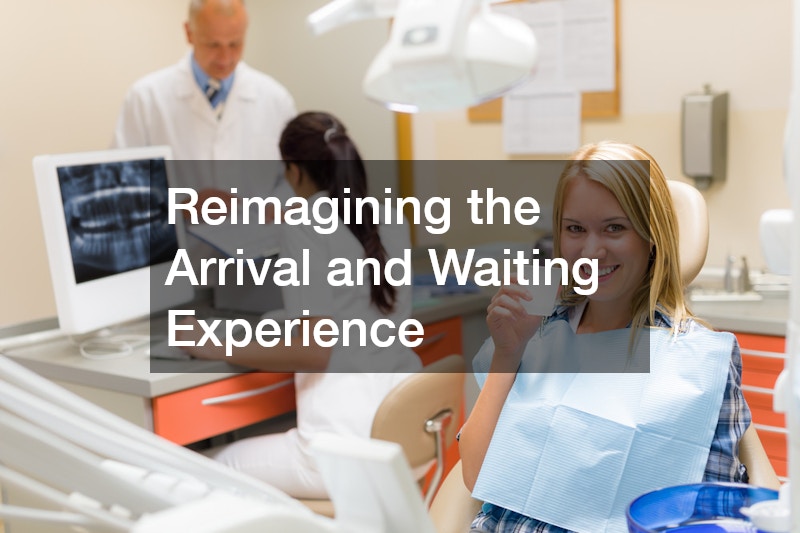
The transformation of the patient journey begins long before you ever sit in a clinical chair. Modern practices recognize that the reception area sets the emotional tone for the entire visit, and they are actively moving away from the old model of cramped seating, outdated magazines, and a glass-partitioned sliding window that separates staff from patients.
Instead, contemporary facilities are designed to mirror the welcoming atmosphere of a boutique hotel or a calming wellness spa. You will often find open-concept greeting stations where front-desk coordinators welcome you without a physical barrier blocking communication. Aromatherapy diffusers utilizing calming scents like lavender or citrus replace the traditional chemical odors, instantly lowering cortisol levels as you cross the threshold.
In terms of functional design, these spaces prioritize patient privacy and digital convenience. High-speed guest Wi-Fi networks, integrated charging stations built directly into comfortable lounge seating, and contactless digital check-in kiosks allow you to bypass administrative delays entirely. Many forward-thinking practices also feature complimentary beverage bars stocked with filtered water, herbal teas, and cellular-charging lockers. By turning the waiting space into a functional, relaxing lounge, practices can effectively neutralize the anticipatory anxiety that so frequently accompanies oral healthcare visits, ensuring that you feel respected, relaxed, and valued from the very first minute of your arrival.
2. Streamlining the Patient Journey Through Smart Office Layouts
Once you leave the reception lounge, the architectural layout of the treatment zone plays a massive role in maintaining a stress-free environment. Traditional clinical setups often feel cluttered, with cords, instruments, and imposing machinery left in plain sight, which can subconsciously trigger a patient’s fight-or-flight response.
To combat this, modern clinic design embraces minimalist ergonomics and hidden utility. High-end treatment rooms are meticulously organized to keep the visual field as clean as possible for the patient. Equipment is stored behind seamless paneling, and advanced technology is integrated directly into the structural layout of the room. This sophisticated organizational design is made possible through specialized healthcare fixtures, such as a high-quality custom dental cabinet system that neatly houses sterilization tools, materials, and digital interfaces out of the patient’s immediate line of sight.
When a local dental office invests in these high-level architectural upgrades, the benefits extend far beyond pure aesthetics. Seamless cabinetry and custom configurations allow clinical assistants to retrieve necessary instruments with minimal movement, drastically reducing the time a patient spends waiting in the chair mid-procedure. Furthermore, these non-porous, custom-designed surfaces are specifically engineered to eliminate seams where bacteria could potentially gather, allowing for rapid, hospital-grade sanitation between appointments. For the patient, this means a quieter, faster, and visually calming environment where the focus remains entirely on personalized care rather than intimidating clinical clutter.
3. Elevating Standards in General and Preventive Care
Diagnostic clarity has reached unprecedented heights due to the implementation of ultra-low-radiation digital X-rays and near-infrared transillumination technology. These tools allow practitioners to look through tooth enamel without exposing the patient to traditional levels of radiation. Additionally, advanced intraoral cameras capture high-definition, color-accurate images of the interior of your mouth, projecting them onto an overhead monitor in real-time. This shifts the dynamic of the appointment from a passive lecture to an active, collaborative discussion about your wellness.
The general practitioners leading these clinical teams are highly trained in utilizing these advanced diagnostic suites. Modern dentists use specialized software algorithms to analyze digital scans, helping to identify structural anomalies, hidden bone loss, and early-stage demineralization with a level of precision that the human eye simply cannot achieve alone. If a minor structural flaw or aesthetic concern is identified during a routine cleaning, a skilled cosmetic dentist on the team can immediately step in to review the digital images with you, explaining how conservative treatments like composite bonding or clear aligners can prevent future structural breakdown while simultaneously improving the balance of your smile.
4. Overcoming Procedural Anxiety With Advanced Comfort Technologies
For millions of individuals, the primary barrier to regular oral care is fear of discomfort, specifically regarding the administration of local anesthesia. The classic metallic syringe is a major source of dental phobia, but modern practices are changing this narrative by introducing computerized delivery systems and advanced needle-free alternatives.
Computer-controlled local anesthesia delivery systems utilize a small, wand-like pen to administer numbing agent at a precise, microprocessor-controlled flow rate. Pain during an injection is rarely caused by the needle itself; rather, it is caused by the rapid pressure of the fluid entering the sensitive gum tissue. By regulating this pressure to a rate below the patient’s pain threshold, the system delivers a completely comfortable, localized numbing experience, often without the patient even realizing the injection has taken place. Furthermore, this targeted delivery ensures that only the specific tooth being treated is numbed, eliminating the frustrating hours of a frozen face, lip, and tongue following an appointment.
5. Restoring Confidence With Advanced Tooth Replacement and Repair
When teeth are damaged due to trauma, decay, or natural wear, the speed and accuracy of the restorative intervention are critical to preserving the natural alignment of your bite. The historical approach to crowns and prosthetics involved highly uncomfortable, bad-tasting silicone impression trays that caused many patients to gag, followed by a multi-week waiting period while a distant laboratory manufactured the final tooth structure.
Modern restorative suites have completely dismantled this slow, uncomfortable process by adopting digital impression scanners and on-site computer-aided manufacturing mills. Utilizing a slender, wand-like optical scanner, the practitioner can capture a flawless 3D digital model of your mouth in seconds. This digital file is transferred instantly to a computer chairside, where the practitioner designs your restoration with pixel-perfect accuracy to match the natural contours of your existing bite.
This digital workflow is a massive benefit for patients who require immediate fixes or ongoing maintenance for complex prosthetics. If an emergency occurs, rapid denture repair can often be executed on the very same day using advanced on-site laboratory equipment and industrial-grade 3D printers, preventing patients from having to go days without their teeth. Whether you need a simple fix or a comprehensive full-mouth rehabilitation, the field of restorative dentistry has shifted toward using biocompatible materials like lithium disilicate and solid zirconia, which look exactly like natural enamel while offering unparalleled structural longevity and resistance to fracturing under pressure.
6. Creating Positive First Impressions for the Youngest Patients
Pediatric upgrades go far beyond putting a few toys in the corner of a waiting room. Truly progressive practices design entirely separate environments or specialized wings tailored specifically to meet the developmental and emotional needs of growing children. These areas utilize bright, playful themes, interactive wall games, and sensory-friendly lighting to distract children from the clinical nature of the visit.
The specialized providers running these child-focused environments are highly trained in advanced behavioral management strategies. A dedicated pediatric dentist understands how to use positive reinforcement, non-threatening terminology, and desensitization techniques to make a child feel entirely safe and curious about their health. Within a specialized family-focused pediatric clinic, every piece of equipment is scaled down to a child’s size, from the small digital sensors used for bite-wing images to the miniature cleaning instruments, ensuring that nothing feels overwhelming or painful to a young, developing mind.
7. Transforming Smiles Through Minimally Invasive Aesthetics
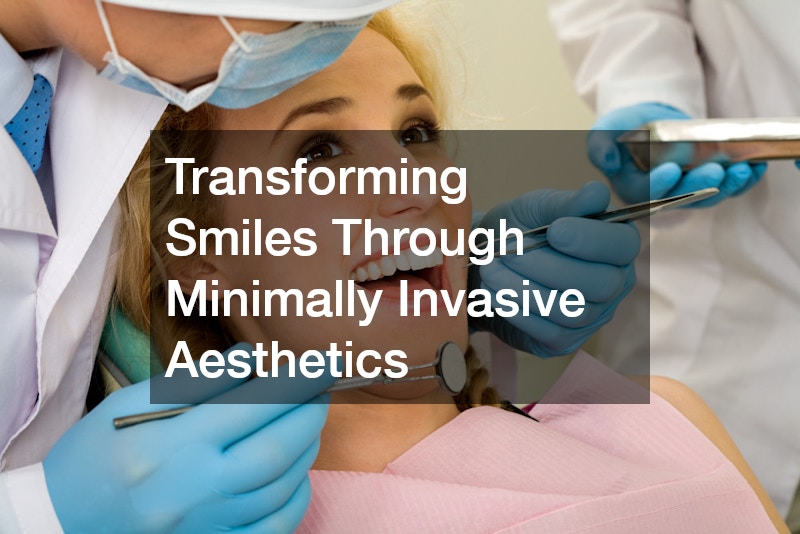
Historically, achieving a straighter or whiter smile meant aggressive tooth preparation, which involved grinding down healthy natural enamel to place bulky crowns or traditional veneers. Today, advanced material sciences allow for the creation of ultra-thin porcelain veneers, often no thicker than a contact lens. These micro-veneers require virtually zero structural reduction of the underlying tooth, leaving your natural enamel entirely intact while completely altering the color, shape, alignment, and overall balance of your smile line.
For patients looking to alter their smiles, finding a highly trained cosmetic dentist who utilizes digital smile design software is an absolute game-changer. This cutting-edge software allows the provider to take high-resolution digital photographs of your face and project an accurate, simulated preview of your completed smile before any treatment even begins. This collaborative process allows you to customize the shade, length, and contours of your future teeth, ensuring that the final outcome looks incredibly natural and perfectly matches your unique facial proportions, skin tone, and lip line.
8. Integrating Multi-Disciplinary Care for Complex Health Needs
The modern solution to this fragmentation is the multi-disciplinary care group, which brings multiple specialists together under one single roof. This structural upgrade ensures that your entire clinical team can meet face-to-face to discuss your treatment plan, review your comprehensive digital records collectively, and deliver cohesive, highly coordinated care without forcing you to travel to multiple locations.
For patients navigating complex, full-mouth transformations that require both deep aesthetic artistry and intricate underlying bone manipulation, this structural integration is incredibly valuable. A team that includes a highly skilled cosmetic dentist can work seamlessly alongside a specialized cosmetic surgeon to plan complex cases involving dental implants, gum contouring, and corrective jaw alignment simultaneously. This tight-knit, intra-office collaboration ensures that the structural, functional, and aesthetic elements of your treatment plan are perfectly aligned, resulting in vastly superior clinical outcomes, fewer surgical appointments, and a significantly faster, safer recovery period.
9. Prioritizing Advanced Safety, Air Filtration, and Sterilization Protocols
In the wake of heightened global health awareness, the invisible infrastructure of a practice has become just as critical to the patient experience as the visible amenities. Patients today want concrete assurance that the air they breathe and the surfaces they touch are held to the absolute highest standards of medical sanitation.
To address these concerns, modern facilities have made massive behind-the-scenes structural investments in hospital-grade air purification and strict infection-control systems. Contemporary treatment rooms are frequently outfitted with advanced extraoral suction units that capture aerosols right at the source, preventing microscopic particles from circulating into the communal air. Furthermore, the building-wide HVAC systems in modern clinics are routinely upgraded with HEPA filters and ultraviolet germicidal irradiation loops that continuously scrub and sanitize the air multiple times per hour throughout the entire facility.
10. Embracing Teledentistry and Continuous Digital Communication
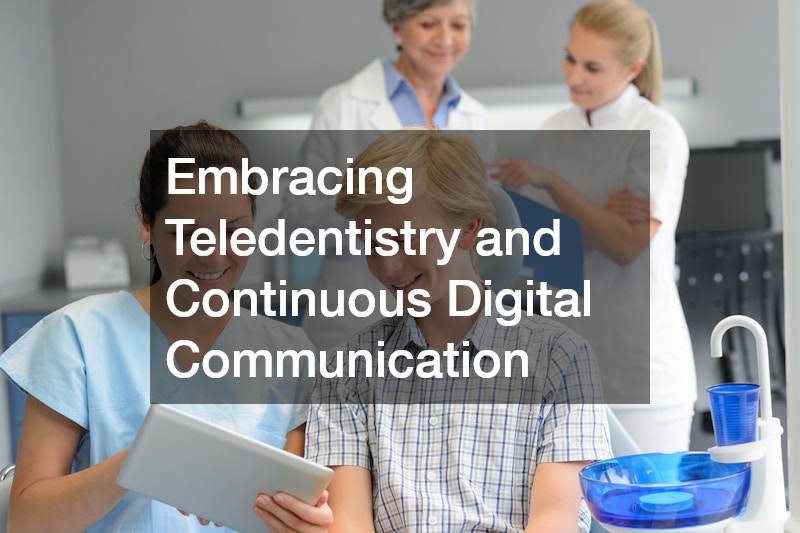
The modern dental experience does not conclude when you walk out the front door of the clinic. The integration of continuous cloud-based communication tools and virtual consultation capabilities means that your care team is always accessible, extending your support system far beyond the physical walls of the traditional brick-and-mortar office.
Teledentistry has emerged as an exceptionally valuable tool for busy professionals, parents managing chaotic family schedules, and individuals seeking preliminary opinions. Through secure, HIPAA-compliant video portals, you can easily consult with your provider from the comfort of your home to review digital treatment plans, discuss orthodontic progress, or have an emergency symptom evaluated before driving into the office. This virtual triage system saves patients time and prevents unnecessary emergency room visits for minor concerns.
When you look for a modern care provider, remember that you have the right to demand an experience that values both your physical comfort and your precious time. Look for a practice that invests heavily in cutting-edge diagnostic equipment, utilizes seamless digital workflows, and actively prioritizes transparent, compassionate patient communication. By partnering with a progressive, forward-thinking practice, you can transform what used to be a stressful medical chore into an entirely comfortable, predictable, and life-changing journey toward a healthier smile.