Going to the dentist can bring up a lot of emotions. Some people feel uneasy because of a past experience. Others worry about pain, cost, embarrassment, sounds, smells, or simply not knowing what will happen next. For many patients, the hardest part is not the treatment itself, but the anticipation leading up to it.
The good news is that dental anxiety can often be managed with the right preparation and support. Simple steps like asking questions, choosing a patient, understanding the provider, planning comfort tools, and creating a clear appointment routine can make dental care feel much less overwhelming. Experts often recommend strategies such as asking the provider to explain each step, setting a stop signal, and using relaxation techniques to help patients feel more in control during care.
Avoiding dental treatment may feel easier in the moment, but it can allow small concerns to become larger, more uncomfortable, and more expensive problems later. Taking one manageable step at a time can help you build confidence and return to care without feeling pressured to handle everything all at once.
Understand What Is Making You Anxious
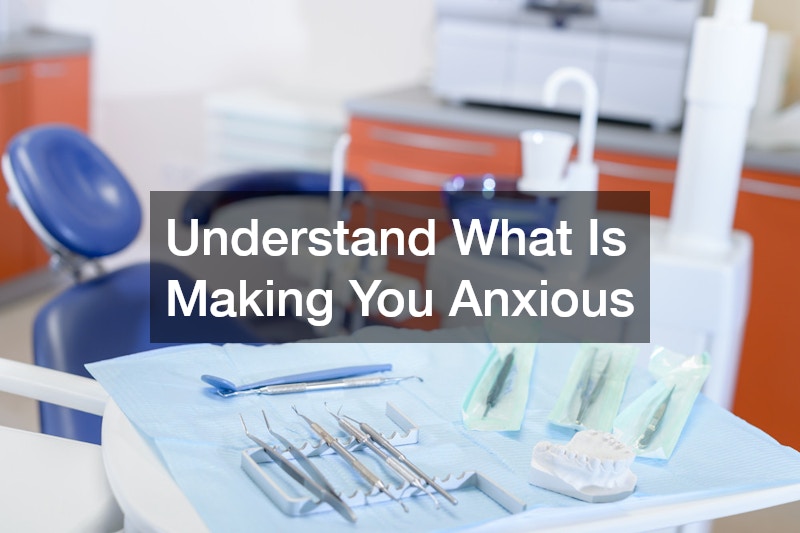
Before you can manage dental anxiety, it helps to understand where it is coming from. Not every patient feels nervous for the same reason. One person may worry about discomfort, while another may feel embarrassed about how long it has been since their last visit. Someone else may feel tense because they dislike feeling trapped in the chair or because the sounds of dental tools remind them of a bad past experience.
It also helps to separate general nervousness from specific triggers. General nervousness might feel like a racing heart or a tense stomach before the appointment. A specific trigger might be needles, drilling sounds, gagging, X-rays, or the thought of needing major treatment. Identifying your triggers allows your provider to offer more specific solutions.
If
fear has kept you from caring for a long time, try not to judge yourself. Dental anxiety is real, and many patients experience it. The goal is not to force yourself to feel perfectly calm. The goal is to understand what makes the experience difficult so you can plan around it.
Choose a Provider Who Makes You Feel Respected
The right provider can make a major difference in your comfort level. A patient, thoughtful team will not shame you for being nervous or make you feel like a burden for asking questions. Instead, they will explain your options, check in during treatment, and give you space to express concerns.
When choosing a provider, pay attention to the entire experience. Your first impression often starts before you ever sit in the chair. When you call, notice whether the team sounds rushed or patient. Ask how they work with anxious patients.
A caring dental office should be willing to explain what to expect and help you schedule in a way that feels manageable.
You can also look at reviews for clues. Search for comments that mention gentle care, clear explanations, patience, and a nonjudgmental environment. While no practice can guarantee a stress-free visit for every patient, repeated mentions of kindness and communication are usually a good sign.
Questions to ask before scheduling may include:
- Do you work with patients who feel anxious about treatment?
- Can I schedule a consultation before starting any procedure?
- Will the dentist explain the treatment before beginning?
- Can we agree on a stop signal?
- Are comfort options available during appointments?
- Can I bring someone with me?
A good provider should make you feel involved in your own care. You should not feel rushed into treatment without understanding what is happening. Even if you need urgent dental work, you still deserve clear communication and respect.
It is also okay to change providers if you do not feel comfortable. Many patients stay with a practice because they feel they “should,” even when the environment increases their anxiety. Finding a team that listens to you can be one of the most important steps in making dental care easier.
Ask What Will Happen Before the Appointment Begins
Uncertainty is one of the biggest reasons dental appointments feel stressful. When you do not know what is coming next, your mind may fill in the blanks with worst-case scenarios. A step-by-step explanation can make the visit feel more predictable and less intimidating.
Before treatment begins, ask your dentist or hygienist to walk you through the appointment. You do not need to understand every technical detail. The goal is to know the basic sequence, how long it may take, what normal sensations are, and when you will have opportunities to pause.
Some patients prefer a lot of detail. Others only want the basics. Tell your provider what works best for you. You might say, “I feel calmer when I know each step,” or “Please explain the main parts, but not too much detail.” This helps the team communicate in a way that supports you.
Technology can also make certain parts of care feel easier. For example, some imaging tools and
open scanners may help patients who feel uncomfortable with tight spaces or traditional scanning experiences. Not every provider uses the same technology, so it is worth asking what options are available.
Use Comfort Tools to Make the Visit Easier

Small comfort items can make a dental appointment feel much more manageable. These tools will not remove every anxious thought, but they can give your body something calming to focus on.
One of the easiest options is music. Bring headphones and listen to a playlist, podcast, or calming audio. Some patients prefer relaxing music, while others choose something familiar and upbeat. Ask the provider whether headphones are okay during the appointment and whether they will tap your shoulder if they need to speak with you.
You can also bring a support person if the practice allows it. Having someone you trust nearby can make the visit feel less isolating. Even if they cannot come into the treatment room, they may be able to drive you, sit with you before the appointment, or help you remember what the dentist explained.
Discuss Pain Control Before Treatment
Many patients delay dental care because they worry about pain. This concern is understandable, especially if you had an uncomfortable experience in the past. However, modern dental care offers many ways to reduce discomfort, and your provider should be willing to discuss those options before starting.
Ask what type of numbing or anesthetic will be used, how long it usually takes to work, and what you should feel during the procedure. In many cases, you may feel pressure, vibration, or movement, but you should not feel sharp pain. Knowing the difference between pressure and pain can help you feel less alarmed during treatment.
If you are worried about getting numb, tell your dentist. Some patients need extra time or additional anesthesia. Others have had past experiences where they were not fully numb before treatment started. Your provider needs to know this before beginning.
For larger procedures, such as an
affordable dental implant consultation, pain control is often one of the most important topics to discuss. Ask what the process involves, what discomfort is typical afterward, how healing is managed, and what warning signs should be reported. The more you understand ahead of time, the less intimidating the process may feel.
Sedation may also be an option for some patients, depending on their health, the procedure, and the provider’s services. Severe anxiety may require extra support, and some patients benefit from options such as nitrous oxide, oral medication, or conscious sedation. These choices are not appropriate for everyone, so it is important to discuss medical history, medications, and safety considerations with the dental team.
Break a Large Treatment Plan Into Smaller Steps
Dental anxiety often becomes worse when a patient needs more than one treatment. If you have avoided care for years, you may worry that the dentist will find several problems at once. Even if that happens, you do not have to solve everything in one day.
Ask your provider to help you prioritize. Some treatments may be urgent because they involve infection, pain, or risk of further damage. Others may be important but can wait a little longer. A phased plan allows you to focus on what matters first without feeling overwhelmed by the full list.
A phased plan might include:
- Treating pain or infection first
- Completing a cleaning and exam
- Addressing cavities or damaged teeth
- Planning replacement options for missing teeth
- Considering cosmetic or alignment goals later
- Creating a maintenance schedule for the future
If missing teeth are a concern, ask your provider to explain the different replacement options in simple terms. Some patients may want to learn about
affordable dental implants, while others may be better candidates for bridges, partials,
or affordable dentures. Each option has its own process, cost, benefits, and maintenance needs.
Help Children Feel Safe Early

Children can develop strong feelings about dental care based on their early experiences. A calm, positive introduction can help them feel more confident over time. Parents and caregivers play a major role in shaping those expectations.
Start by choosing a provider who understands children’s needs. A
local pediatric dentist is trained to work with young patients and often uses language, pacing, and office features designed to make visits feel less intimidating. Pediatric dental teams are also used to answering parents’ questions and helping children gradually build comfort.
How you talk about the appointment matters. Avoid scary words, even if you are trying to be honest. Words like “shot,” “drill,” “pain,” or “hurt” can create worry before the child arrives. Instead, use simple, neutral language such as “The dentist will count your teeth” or “They will help keep your smile healthy.”
Try not to promise that the appointment will be perfect or that nothing uncomfortable will happen. If something feels strange, the child may feel misled. Instead, say something like, “The dentist will explain what they are doing, and I will be nearby.”
Make Consultations Feel Low-Pressure
If you are considering clear aligners, ask an
Invisalign dentist to explain the full process. You may want to know how often appointments are needed, how long treatment may take, whether attachments are required, how aligners may feel, and what happens if you lose or damage a tray. Understanding the routine can make the treatment feel less mysterious.
Before any consultation, write down your goals. These do not need to sound technical. You might write:
- I want my smile to look more even.
- I want to close a gap.
- I want to feel less embarrassed in photos.
- I want to understand my options.
- I want treatment that fits my schedule.
It can also help to ask what happens if you choose not to move forward. This question can reduce pressure and remind you that you are in control. Some treatments are optional, while others may be important for oral health. Ask the provider to clearly explain the difference.
Notice How the Environment Supports Comfort

Modern
healthcare clinic construction often considers patient movement, accessibility, privacy, and comfort. While patients may not think about these design choices directly, they may notice when a space feels easier to navigate, quieter, cleaner, or more welcoming.
The people in the environment matter just as much as the design. Dental and healthcare teams include many trained professionals who help appointments run smoothly. Front desk staff, assistants, hygienists, and providers all contribute to the patient experience.
Training can also influence how team members communicate and support patients. For example,
medical assistant programs often prepare healthcare workers to interact with patients, manage clinical tasks, and support a professional care environment. In dental settings, dental assistants and hygienists also play key roles in helping patients understand procedures and feel comfortable.
Dental anxiety does not have to control your health decisions forever. You may still feel nervous before appointments, but with the right plan, those feelings can become more manageable. Start by understanding what makes you anxious, then choose a provider who listens, ask clear questions, and use comfort tools that help you feel grounded.
The first step may be small: making a phone call, asking about comfort options, scheduling a consultation, or writing down your concerns. Small steps matter. Over time, they can help you rebuild trust, protect your oral health, and feel more confident about getting the care you need.
