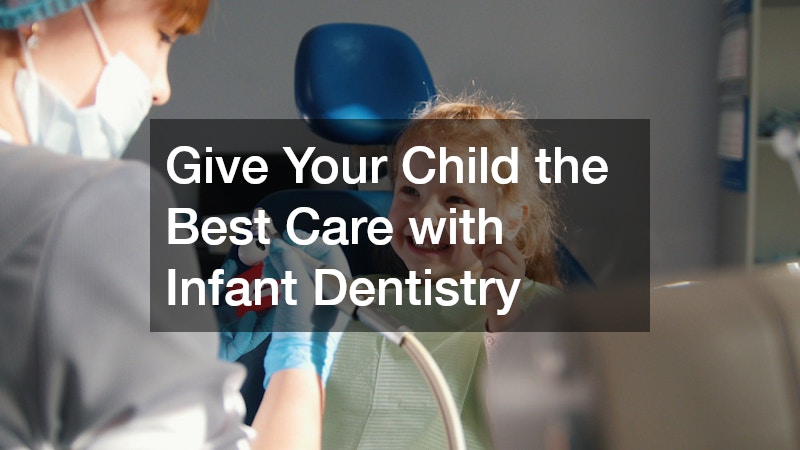
Understanding Infant Dentistry and Why It Matters Early On
infant dentistry focuses on the oral health care of babies from birth through their first years of life. While many parents assume dental visits can wait until preschool, dental care actually begins much earlier.
Establishing healthy habits and monitoring development from infancy helps prevent cavities, gum issues, and long-term dental complications.
The early months and years of a child’s life are critical for oral development. Even before teeth erupt, proper care of the gums and early assessment by a dental professional can set the stage for a lifetime of healthy smiles.
When Should Infant Dental Care Begin?
The Importance of the First Dental Visit
Pediatric dental professionals recommend that babies visit the dentist by their first birthday or within six months after the first tooth erupts. This early visit allows the dentist to evaluate growth, examine the mouth, and guide parents on proper home care techniques.
Early dental visits are not only about checking teeth. They are also about education. Parents learn how feeding habits, pacifier use, and teething behaviors affect oral health. By identifying risk factors early, dental professionals can help prevent problems before they start.
Monitoring Oral Development
During infancy, the jaw, gums, and developing teeth are constantly changing. A dentist trained in infant dentistry will monitor how teeth are erupting, ensure spacing appears normal, and check for signs of developmental concerns.
Some infants may experience early childhood cavities soon after their first teeth appear. Regular checkups allow these concerns to be addressed quickly and conservatively.
What Happens During an Infant Dental Appointment?
Gentle Examination of the Gums and Teeth
Infant dental appointments are designed to be calm and stress-free. The dentist will gently examine the baby’s mouth, checking the gums, tongue, jaw, and any erupted teeth. Often, the baby may sit on a parent’s lap during the exam to provide comfort.
The dentist looks for early signs of decay, gum irritation, or unusual development. Even small white spots on a tooth can signal early enamel weakness, which can be treated before it progresses.
Guidance for Parents
A significant portion of infant dentistry focuses on parent education. The dental team will demonstrate how to clean an infant’s gums with a soft cloth and how to brush emerging teeth using a small, soft-bristled toothbrush.
Parents also receive guidance about:
Proper use of fluoride toothpaste
Bottle feeding habits and avoiding bedtime bottles with milk or juice
Pacifier and thumb-sucking habits
Teething management strategies
By empowering parents with accurate information, dental professionals help establish healthy routines at home.
Preventing Early Childhood Cavities
Understanding Baby Bottle Tooth Decay
One of the most common concerns addressed in infant dentistry is early childhood caries, often referred to as baby bottle tooth decay. This condition occurs when sugary liquids remain on the teeth for extended periods.
Milk, formula, and juice all contain natural or added sugars. When a baby falls asleep with a bottle, these sugars pool around the teeth, feeding harmful bacteria. Over time, this can lead to rapid decay, even in very young children.
Dentists provide clear instructions on safe feeding practices and recommend cleaning the baby’s mouth after feedings to reduce cavity risk.
Establishing Daily Oral Hygiene Habits
Good habits should begin even before the first tooth appears. Wiping the gums with a damp cloth after feedings helps remove bacteria and keeps the mouth clean.
Once teeth erupt, brushing twice daily with a rice-sized smear of fluoride toothpaste helps protect enamel. Infant dentistry emphasizes consistency, as routine care builds the foundation for long-term oral health.
Teething and Comfort Care
Managing Teething Symptoms
Teething can begin as early as a few months of age. Babies may experience drooling, gum tenderness, irritability, and a desire to chew on objects. While teething is normal, parents often seek reassurance during this phase.
Dentists may recommend chilled teething rings or gentle gum massage to soothe discomfort. They also advise against certain over-the-counter products that may not be safe for infants.
Recognizing Normal Versus Concerning Symptoms
Mild fussiness and drooling are typical during teething. However, high fever, severe diarrhea, or extreme irritability are not directly caused by teething and may indicate another issue. Infant dentistry professionals help parents distinguish between normal developmental changes and symptoms that require medical evaluation.
The Role of Fluoride in Early Dental Health
Protecting Developing Teeth
Fluoride strengthens tooth enamel and makes it more resistant to decay. In infant dentistry, the appropriate use of fluoride is carefully evaluated based on the child’s age and risk factors.
For some infants, fluoride varnish may be applied during dental visits to provide additional protection. Dentists assess water sources and dietary habits to determine whether supplementation is necessary.
Safe Usage Guidelines
Using the correct amount of fluoride toothpaste is important. A rice-sized smear is typically recommended for infants and toddlers. Dental professionals demonstrate proper brushing techniques to ensure safe and effective use.
Addressing Oral Habits Early
Thumb Sucking and Pacifier Use
Sucking is a natural reflex for infants. While pacifiers and thumb sucking are normal in early development, prolonged habits can affect jaw growth and tooth alignment.
Infant dentistry includes monitoring these behaviors and offering guidance if habits continue beyond an appropriate age. Early intervention can help minimize the need for orthodontic treatment later in life.
Breathing and Tongue Development
Dentists also observe how an infant breathes and uses their tongue. Mouth breathing or restricted tongue movement may impact feeding, speech development, and jaw growth. Identifying these concerns early allows families to seek timely care if needed.
Creating Positive Dental Experiences
Building Comfort and Trust
One of the primary goals of infant dentistry is to create a positive association with dental care from the beginning. Early visits help children become familiar with the sights and sounds of the dental office.
When dental appointments start early, children are less likely to develop fear or anxiety about treatment. These early experiences build confidence and comfort over time.
Supporting Long-Term Oral Health
Infant dental visits are not just about baby teeth. They establish patterns that influence oral health into adolescence and adulthood. Preventive care, early education, and consistent monitoring help reduce the likelihood of cavities, gum disease, and alignment problems later in life.
By prioritizing infant dentistry from the start, parents take an active role in protecting their child’s smile. Through early examinations, preventive guidance, and supportive education, families can ensure strong, healthy teeth from the very beginning.
Maintaining optimal oral health is crucial, and regular visits to the dentist play a significant role in this process. While daily brushing and flossing are essential, they are not sufficient alone to ensure your teeth and gums remain healthy. Video Source This article delves into the reasons for regular dental visits and how often you should schedule appointments with your dentist.
Importance o...
The days of stepping into a cold, clinical, and intimidating dental office that smells strongly of eugenol are rapidly fading into the past. For decades, a visit to the practitioner was an experience associated with high anxiety, stark white walls, and the jarring ...
Maintaining good oral health is essential not only for a confident smile but also for overall well-being. Many people underestimate the importance of regular dental visits and daily oral care, yet poor oral hygiene can lead to serious problems over time. Teeth clea...
Periodontal care refers to the prevention, diagnosis, and treatment of gum disease and other conditions affecting the supporting structures of the teeth. While many people focus primarily on keeping their teeth cavity-free, the health of the gums is just as essenti...